




A dental explorer is a fundamental tool in the dental field, playing a multifaceted and indispensable role. As a reliable dental instrument supplier, I've witnessed firsthand how this simple yet powerful tool significantly impacts dental practices. In this blog, I'll delve into the various functions of a dental explorer and how it contributes to comprehensive dental care.
Detecting Dental Caries
One of the primary roles of a dental explorer is to detect dental caries, commonly known as cavities. The sharp, pointed tip of the explorer allows dentists to carefully examine the tooth surface, especially in the pits and fissures where decay often begins. By gently running the explorer over the enamel, dentists can feel for any soft or sticky areas, which are early signs of demineralization. This tactile feedback is crucial because in the early stages, cavities may not be visible to the naked eye. Detecting caries at an early stage is essential as it allows for less invasive treatment options, such as fluoride treatments or sealants, which can prevent the progression of decay.
For example, in a posterior tooth with deep fissures, the explorer can reach areas that are difficult to visualize. The dentist can detect the slightest change in texture, indicating the presence of a developing cavity. Without the use of a dental explorer, these early lesions could go unnoticed until they become more extensive and require more invasive treatments like fillings or root canals.
Assessing Tooth Structure Integrity
Beyond caries detection, the dental explorer is used to assess the overall integrity of the tooth structure. It can be used to check for fractures, cracks, or other structural defects. When a patient presents with tooth pain or sensitivity, the explorer can be used to carefully probe the tooth surface to identify any signs of damage. For instance, a hairline crack in a tooth may not be visible on an X - ray but can be felt with the explorer. By gently applying pressure along the suspected area, the dentist can detect the presence of a crack, which may require appropriate treatment such as a crown or bonding to prevent further damage.
In addition, the explorer can be used to evaluate the margins of existing dental restorations. A well - fitting restoration should have a smooth and continuous interface with the surrounding tooth structure. If there are any gaps or irregularities at the margin, it can lead to recurrent decay or leakage. The explorer can be used to detect these issues, allowing the dentist to determine if the restoration needs to be replaced or repaired.

Periodontal Examination
The dental explorer also plays a role in periodontal examination. It can be used to measure the depth of the gingival sulcus, which is the space between the tooth and the surrounding gum tissue. A healthy gingival sulcus typically measures 1 - 3 millimeters in depth. By gently inserting the explorer into the sulcus, the dentist can assess the health of the periodontal tissues. If the sulcus depth is greater than normal, it may indicate the presence of periodontal disease, such as gingivitis or periodontitis.
Moreover, the explorer can be used to detect calculus or tartar deposits on the tooth surface below the gumline. Calculus is a hard, mineralized deposit that can irritate the gums and contribute to periodontal problems. The explorer can feel the rough texture of calculus, allowing the dentist to identify areas that need to be cleaned during a periodontal treatment.
Endodontic Procedures
In endodontic procedures, such as root canal treatments, the dental explorer is an important tool. It can be used to locate the root canal orifices in the pulp chamber. The pulp chamber is the central part of the tooth that contains the pulp tissue, and the root canals are the narrow passages that extend from the pulp chamber to the tip of the tooth root. Locating the root canal orifices accurately is crucial for successful root canal treatment. The explorer can be used to feel for the small openings in the floor of the pulp chamber, which may be hidden or difficult to visualize.
Once the root canal orifices are located, the explorer can also be used to confirm the patency of the canals. By gently inserting the explorer into the canal, the dentist can determine if there are any blockages or obstructions. This information is essential for proper cleaning and shaping of the root canals during the endodontic procedure.
As a Complementary Tool in Dental Hygiene
Dental hygienists also rely on the dental explorer as part of their routine cleaning procedures. During a prophylaxis, or teeth cleaning, the explorer is used to remove small debris and calculus from the tooth surface. It can be used to reach areas that are difficult to access with other cleaning instruments, such as interdental spaces or the deep grooves of the teeth.
The hygienist can use the explorer to gently scrape away any soft deposits or light calculus that may have accumulated since the last cleaning. This not only helps to maintain good oral hygiene but also provides a more thorough cleaning experience for the patient.
The Importance of Quality Dental Explorers
As a dental instrument supplier, I understand the importance of providing high - quality dental explorers. A well - designed explorer should have a sharp and durable tip. A dull tip will not be able to provide accurate tactile feedback, making it difficult to detect early lesions or structural defects. The handle of the explorer should be ergonomically designed for easy grip and control. This allows the dentist or hygienist to use the instrument with precision and comfort during long procedures.
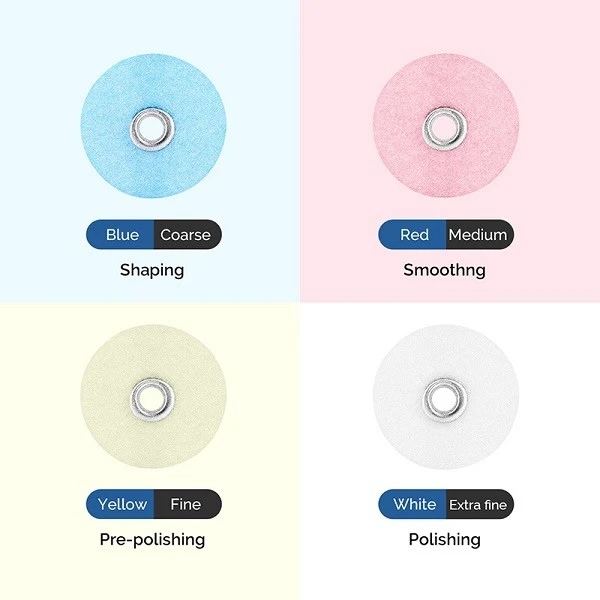
We offer a wide range of dental explorers made from high - quality materials. Our explorers are designed to meet the highest standards of performance and durability. In addition to dental explorers, we also supply other essential dental instruments such as Teeth Polishing Discs and Orthodontic Bracket Tweezers and Orthodontic Bracket Tweezers. These instruments are essential for various dental procedures and are designed to enhance the efficiency and effectiveness of dental care.
Conclusion
In conclusion, the dental explorer is a versatile and essential tool in the dental field. Its role in caries detection, assessing tooth structure integrity, periodontal examination, endodontic procedures, and dental hygiene cannot be overstated. A skilled dentist or hygienist uses the dental explorer as an extension of their hands, relying on its tactile feedback to provide accurate diagnoses and appropriate treatments. As a dental instrument supplier, we are committed to providing high - quality dental explorers and other instruments to support the dental community in delivering the best possible care to their patients.
If you are interested in purchasing high - quality dental instruments, including dental explorers, Teeth Polishing Discs, or Orthodontic Bracket Tweezers and Orthodontic Bracket Tweezers, please feel free to contact us for more information and to discuss your procurement needs. We look forward to serving you and contributing to the success of your dental practice.
References
- Cohen, S., & Hargreaves, K. M. (2018). Pathways of the Pulp. Elsevier.
- Newman, M. G., Takei, H. H., Klokkevold, P. R., & Carranza, F. A. (2019). Carranza's Clinical Periodontology. Elsevier.
- Fehrenbach, M. J., & Popowics, T. (2016). Illustrated Anatomy of the Head and Neck. Elsevier.