


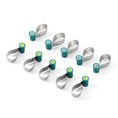
As a supplier of dental wedges, I often receive inquiries from dental professionals about the lifespan of these essential tools. Understanding how long dental wedges last is crucial for both effective dental procedures and cost - efficiency. In this blog post, I will explore the factors that influence the longevity of dental wedges and provide some insights based on scientific knowledge and practical experience.
Factors Affecting the Lifespan of Dental Wedges
Material of Dental Wedges
One of the primary factors that determine how long dental wedges last is the material they are made from. There are several common materials used in manufacturing dental wedges, including wood, plastic, and rubber.
- Wooden Dental Wedges:
Wooden dental wedges are a traditional choice in dentistry. They are known for their natural ability to expand when they come into contact with moisture, which helps to create a tight contact between teeth during restorative procedures. However, wooden wedges are relatively fragile and have a limited lifespan. Due to their porous nature, they can absorb saliva, blood, and dental materials during use. This absorption can lead to softening, staining, and potential bacterial growth. In general, wooden dental wedges are designed for single - use. After a single dental procedure, they should be discarded to prevent cross - contamination and ensure the safety and efficacy of subsequent treatments. - Plastic Dental Wedges:
Plastic dental wedges offer several advantages over wooden ones. They are more durable and resistant to moisture and chemicals. Plastic Dental Matrix Wedges are often used in a variety of dental applications, including fillings and periodontal treatments. Depending on the quality of the plastic and the intensity of use, plastic dental wedges can last for multiple procedures. High - quality plastic wedges may be reused several times without significant loss of shape or function. For example, in a busy dental clinic, a well - made plastic dental wedge could be used 3 - 5 times before it needs to be replaced. However, if the wedge shows signs of wear, such as cracks, deformation, or loss of flexibility, it should be discarded immediately. - Rubber Dental Wedges:
Rubber dental wedges are known for their flexibility and ability to adapt to the shape of the teeth. They are often used in delicate dental procedures where a precise fit is required. Rubber wedges typically have a moderate lifespan. They are resistant to some degree of compression and bending, but over time, they may lose their elasticity. Similar to plastic wedges, the lifespan of rubber dental wedges can vary depending on usage. In a typical dental practice, rubber wedges may last for 2 - 4 procedures. If the rubber becomes brittle or loses its ability to maintain the desired shape, it is time to replace them.
Frequency and Intensity of Use
The frequency and intensity of use also play a significant role in determining how long dental wedges last. In a high - volume dental clinic where multiple restorative procedures are performed each day, dental wedges will be subjected to more abuse and wear compared to a small, part - time practice.
- High - Volume Practices:
In a busy dental practice, dental wedges are used frequently, and they may be subjected to more force during placement and removal. This can lead to premature wear and tear. For example, if a dental assistant is in a hurry to place a matrix band and uses excessive force to insert a dental wedge, it can cause the wedge to break or deform more quickly. In such practices, it is common to replace dental wedges more often, regardless of the material. - Low - Volume Practices:
In a low - volume dental practice, the dental wedges are used less frequently. This means that they have more time to recover between uses, and they are less likely to experience excessive wear. As a result, the lifespan of dental wedges in these practices may be slightly longer. However, it is still important to monitor the condition of the wedges regularly to ensure that they are safe and effective for use.
Storage Conditions
Proper storage of dental wedges is essential for maintaining their quality and extending their lifespan.
- Clean and Dry Environment:
Dental wedges should be stored in a clean, dry environment to prevent the growth of bacteria and fungi. Moisture can cause wooden wedges to rot and plastic or rubber wedges to degrade. For example, if dental wedges are left in a damp cabinet, the wooden ones may start to develop mold, and the plastic or rubber ones may become sticky or lose their shape. - Separate Storage:
It is also a good practice to store dental wedges separately to prevent them from interacting with each other. When wedges are stored together in a crowded container, they may rub against each other, causing scratches or damage. This can potentially affect the performance of the wedges during use.
Signs that Dental Wedges Need to be Replaced
Regardless of the material or the usage conditions, there are several clear signs that indicate it is time to replace dental wedges.
Loss of Shape
If a dental wedge has lost its original shape, it will not be able to perform its function effectively. For example, a wooden wedge that has become misshapen due to moisture absorption may not create a proper contact between teeth, which can lead to a poorly fitting restoration. Similarly, a plastic or rubber wedge that has been bent or stretched out of shape will not provide the necessary support during a dental procedure.
Cracks or Fractures
Cracks or fractures in dental wedges are a clear indication of damage. These defects can compromise the integrity of the wedge and may cause it to break during use. In addition, cracks can provide a hiding place for bacteria, increasing the risk of cross - contamination.


Loss of Elasticity (for Rubber Wedges)
Rubber dental wedges rely on their elasticity to adapt to the shape of the teeth. If a rubber wedge has lost its elasticity, it will not be able to provide the necessary pressure and support. This can result in a less effective dental procedure and may even affect the long - term success of the restoration.
Staining and Contamination
Staining and contamination are also important signs that dental wedges need to be replaced. Wooden wedges are particularly prone to staining, as they can absorb dental materials and body fluids. Stained wedges may be difficult to clean thoroughly, and they may harbor bacteria. Similarly, plastic and rubber wedges that are heavily stained or contaminated should be discarded to prevent the spread of infection.
Maximizing the Lifespan of Dental Wedges
As a dental wedge supplier, I understand the importance of maximizing the lifespan of these products while ensuring patient safety. Here are some tips for dental professionals to extend the lifespan of dental wedges:
Proper Handling
- When inserting and removing dental wedges, use gentle pressure to avoid causing unnecessary damage.
- Do not force a wedge into a tight space, as this can lead to breakage or deformation.
Regular Cleaning (for Reusable Wedges)
- For plastic and rubber dental wedges that are designed for reuse, clean them thoroughly after each use. Use a mild detergent and warm water to remove any debris, and then rinse them well.
- After cleaning, allow the wedges to dry completely before storing them.
Quality Selection
- Choose high - quality dental wedges from a reputable supplier. High - quality wedges are more likely to be durable and resistant to wear and tear. For example, our Plastic Dental Wedges are made from premium - grade plastic, which ensures long - lasting performance.
Conclusion
The lifespan of dental wedges varies depending on several factors, including the material, frequency and intensity of use, and storage conditions. Wooden wedges are generally for single - use, while plastic and rubber wedges can last for multiple procedures if properly maintained. By understanding the signs that indicate replacement and following the tips for maximizing their lifespan, dental professionals can ensure the safe and effective use of dental wedges in their practice.
If you are interested in purchasing high - quality dental wedges for your dental practice, we are here to provide you with the best products and services. Feel free to reach out for more information and to start a procurement discussion. We are committed to meeting your dental supply needs and helping you deliver the best care to your patients.
References
- Dental Materials and Their Selection, 3rd Edition, Nakashima, M., & Hiraishi, N.
- Textbook of Operative Dentistry, 8th Edition, Sturdevant, J. R., Chan, N.,& Falconer, J. I.