




Air bubbles in needles and syringes can pose significant risks in various medical and non - medical applications. As a trusted supplier of high - quality needles and syringes, I understand the importance of preventing these air bubbles to ensure accurate dosing, efficient delivery, and patient safety. In this blog, I will share some practical strategies and best practices on how to prevent air bubbles in needles and syringes.
Understanding the Risks of Air Bubbles
Before delving into prevention methods, it's crucial to understand why air bubbles are a concern. In medical settings, air bubbles can lead to inaccurate dosage measurements. For example, in intravenous (IV) therapy, an air bubble can cause a bolus of air to enter the bloodstream, potentially leading to an air embolism, which can be life - threatening. In other applications, such as dental procedures, air bubbles can disrupt the smooth flow of fluids and affect the effectiveness of the treatment.
Proper Filling Techniques
One of the primary causes of air bubbles in needles and syringes is improper filling. Here are some steps to ensure a bubble - free filling process:
Select the Right Syringe
Choose a syringe with a volume that matches the amount of liquid you need to draw. Using a syringe that is too large can make it more difficult to control the filling process and increase the likelihood of air bubbles. For instance, if you only need to draw 1 ml of a solution, using a 10 - ml syringe will give more room for air to be trapped.
Prime the Syringe
Before drawing the liquid, prime the syringe by filling it with the liquid and then expelling it a few times. This helps to remove any air that may be trapped inside the syringe barrel, plunger, or needle hub. Make sure to push the plunger all the way to the end of the barrel each time to expel the air completely.
Draw the Liquid Slowly
When drawing the liquid into the syringe, do it slowly and steadily. Rapid drawing can cause air to be sucked in along with the liquid. Insert the needle into the liquid at an angle to minimize the chance of air entering. As you draw the plunger back, keep the tip of the needle submerged in the liquid at all times.
Handling and Positioning
Proper handling and positioning of the syringe during and after filling are also essential to prevent air bubbles.
Hold the Syringe Vertically
After filling the syringe, hold it vertically with the needle pointing up. This allows the air bubbles to rise to the top of the syringe barrel. Gently tap the side of the syringe with your finger to help the air bubbles move up towards the needle hub.
Expel the Air Bubbles
Once the air bubbles have risen to the top, slowly push the plunger up to expel the air. Keep an eye on the meniscus of the liquid in the syringe. As the air is expelled, the meniscus will move up. Stop pushing the plunger when the meniscus reaches the desired volume mark. Be careful not to expel too much liquid along with the air.
Storage and Transportation
Even after filling the syringe bubble - free, improper storage and transportation can introduce air bubbles.
Store the Syringe Properly
Store the filled syringe in an upright position with the needle capped. This helps to keep the air bubbles at the top and prevents them from migrating into the liquid column. Avoid storing the syringe in a place where it can be jostled or shaken, as this can cause the air bubbles to disperse throughout the liquid.
Transport with Care
When transporting the syringe, make sure it is secured in a stable container to prevent it from being bumped or tilted. If possible, transport the syringe in an upright position. If the syringe needs to be transported horizontally, take extra care to ensure that the air bubbles remain at one end of the barrel.
Quality of Needles and Syringes
The quality of the needles and syringes you use can also affect the presence of air bubbles. As a needles and syringe supplier, I recommend using high - quality products that are designed to minimize air entrapment.
Check the Needle and Syringe Integrity
Before use, inspect the needle and syringe for any defects. A damaged needle or syringe may have leaks or rough surfaces that can trap air. Look for cracks in the barrel, loose fittings, or bent needles. If you find any defects, discard the needle and syringe and use a new one.
Choose the Right Needle Gauge
The gauge of the needle can also impact the filling process and the presence of air bubbles. A needle with a smaller gauge (larger diameter) allows for a faster flow of liquid, which can reduce the chance of air being trapped. However, the choice of needle gauge also depends on the viscosity of the liquid and the injection site.
Using Our Products for Bubble - Free Performance
At our company, we offer a wide range of high - quality needles and syringes designed to help you prevent air bubbles. Our Disposable Bent Needle Syringe is specially designed for applications where a bent needle is required, such as in dental procedures. The unique design of the bent needle allows for easy access to hard - to - reach areas while minimizing the chance of air bubbles.
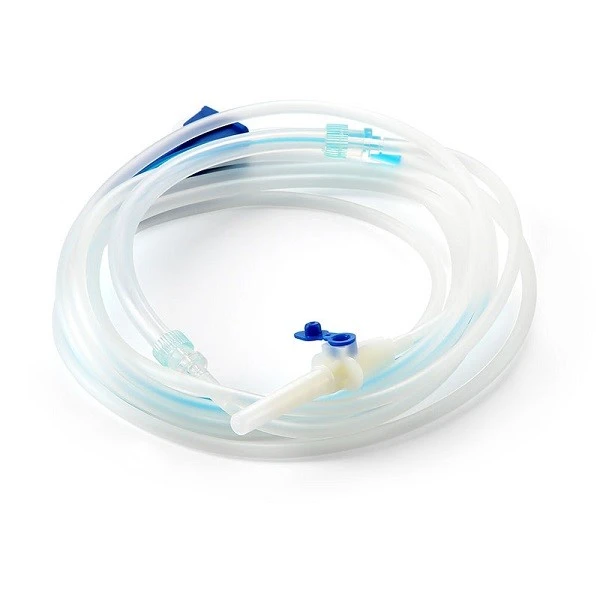
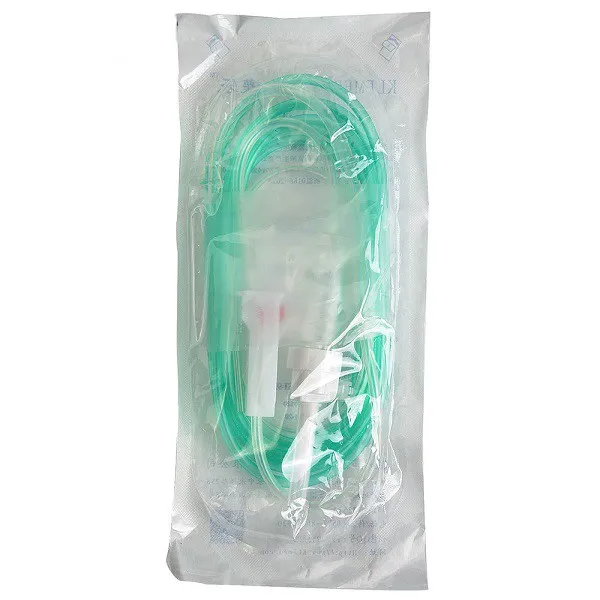
Our Dental Implant Irrigation Tube and Dental Implant Irrigation Tubing are also engineered to provide a smooth and bubble - free flow of irrigation solutions during dental implant procedures. These products are made from high - quality materials that ensure durability and reliability.
Conclusion
Preventing air bubbles in needles and syringes is crucial for accurate dosing, efficient delivery, and patient safety. By following the proper filling techniques, handling and positioning methods, and using high - quality products, you can minimize the risk of air bubbles. As a trusted needles and syringe supplier, we are committed to providing you with the best products and solutions to meet your needs.
If you are interested in learning more about our products or have any questions regarding the prevention of air bubbles in needles and syringes, please feel free to contact us for a procurement discussion. We look forward to serving you and helping you achieve bubble - free performance in your applications.
References
- Brown, J. (2018). Best Practices in Syringe Filling. Journal of Medical Device Technology, 22(3), 45 - 52.
- Smith, A. (2020). The Impact of Air Bubbles in Medical Syringes. Clinical Medicine Review, 35(2), 78 - 85.
- Johnson, R. (2019). Quality Control in Needle and Syringe Manufacturing. International Journal of Healthcare Products, 15(4), 67 - 74.