


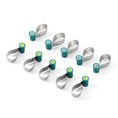


Hey there! As a cheek retractors supplier, I often get asked about how to clean these nifty little tools. Cheek retractors are super important in the dental and medical fields. They help keep the cheeks out of the way during procedures, giving doctors and dentists a clear view. But like any medical device, they need to be cleaned properly to ensure they're safe and effective to use.
First off, let's talk about why cleaning cheek retractors is such a big deal. In a medical or dental setting, there's always a risk of cross - contamination. If cheek retractors aren't cleaned correctly, they can harbor bacteria, viruses, and other pathogens. This can lead to infections in patients, which is obviously a huge no - no. Plus, a dirty cheek retractor might not work as well. Buildup on the retractor can make it less flexible or cause it to stick, which can be a real pain during a procedure.
So, how do you clean cheek retractors? Well, the process can vary depending on the type of retractor you're using. There are different materials like plastic, metal, and rubber, and each one has its own cleaning requirements.
Cleaning Plastic Cheek Retractors
Plastic cheek retractors are pretty common because they're often disposable or can be reused if cleaned properly. Here's a step - by - step guide on how to clean them:
- Pre - cleaning rinse: Right after use, give the plastic cheek retractor a quick rinse under warm water. This helps to remove any large debris like saliva, blood, or tissue fragments. You don't want these things to dry on the retractor, as they'll be harder to remove later.
- Soak in a disinfectant solution: Fill a container with a suitable disinfectant solution. You can use a commercial disinfectant that's approved for medical use. Make sure the retractor is completely submerged in the solution. Let it soak for the recommended time, which is usually around 10 - 15 minutes. This step kills most of the germs on the retractor.
- Scrub gently: After soaking, take a soft - bristled brush and gently scrub the retractor. Pay special attention to the crevices and corners where dirt can accumulate. Be careful not to scratch the plastic, as scratches can provide hiding places for bacteria.
- Rinse thoroughly: Once you've scrubbed the retractor, rinse it under running water for at least 30 seconds to remove all traces of the disinfectant solution. You don't want any of the disinfectant left on the retractor, as it could be harmful to patients.
- Dry completely: Pat the retractor dry with a clean, lint - free cloth. Then, let it air dry completely before storing it. You can check out our Plastic Mouth Opener for more details on the types of plastic cheek retractors we offer.
Cleaning Metal Cheek Retractors
Metal cheek retractors are more durable than plastic ones, but they also require a different cleaning approach.
- Initial cleaning: Similar to plastic retractors, start by rinsing the metal retractor under warm water to remove any loose debris.
- Ultrasonic cleaning: Metal retractors can benefit from ultrasonic cleaning. Place the retractor in an ultrasonic cleaner filled with a cleaning solution. The ultrasonic waves create tiny bubbles that implode, removing dirt and germs from the surface of the retractor. Run the cleaner for about 5 - 10 minutes.
- Disinfection: After ultrasonic cleaning, soak the retractor in a disinfectant solution. You can use a stronger disinfectant for metal retractors than for plastic ones. Let it soak for the recommended time, usually 15 - 20 minutes.
- Rinse and dry: Rinse the retractor thoroughly under running water to remove the disinfectant. Then, dry it with a clean cloth. You can also use a heat - drying method if the retractor can withstand high temperatures. This helps to ensure that the retractor is completely dry and free of moisture, which can cause rusting.
Cleaning Rubber Cheek Retractors
Rubber cheek retractors are flexible and can conform to the shape of the patient's mouth. Here's how to clean them:


- Rinse and inspect: Rinse the rubber retractor under warm water and check for any signs of damage like tears or cracks. If you find any damage, it's best to replace the retractor.
- Clean with a mild detergent: Mix a small amount of mild detergent with warm water. Use a soft cloth or sponge to gently clean the retractor. Avoid using harsh chemicals or abrasive cleaners, as they can damage the rubber.
- Disinfect: Soak the retractor in a mild disinfectant solution for about 10 minutes. Make sure the solution is safe for rubber materials.
- Rinse and dry: Rinse the retractor thoroughly under running water to remove the detergent and disinfectant. Then, let it air dry in a well - ventilated area.
Storage of Cleaned Cheek Retractors
Once you've cleaned your cheek retractors, it's important to store them properly. Store them in a clean, dry place. You can use a dedicated storage container or a sealed plastic bag. Make sure the storage area is away from direct sunlight and heat, as these can damage the retractors over time.
Importance of Regular Maintenance
Cleaning cheek retractors isn't a one - time thing. You need to make it a regular part of your routine. Regular cleaning and maintenance not only keep the retractors safe to use but also extend their lifespan. This can save you money in the long run, as you won't have to replace the retractors as often.
Our Range of Cheek Retractors
As a supplier, we offer a wide range of cheek retractors to meet your needs. Whether you're looking for a Mouth Spreader for a specific dental procedure or a Medical Mouth Opener for medical use, we've got you covered. Our retractors are made from high - quality materials and are designed to be easy to clean and maintain.
If you're in the market for cheek retractors or have any questions about cleaning or using them, don't hesitate to reach out. We're here to help you ensure that your patients get the best care possible with clean and reliable cheek retractors. Contact us to start a procurement discussion and find the perfect cheek retractors for your practice.
References
- Dental Instrument Cleaning and Sterilization Guidelines, American Dental Association
- Medical Device Cleaning Best Practices, World Health Organization