


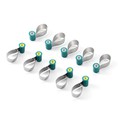


Dental restoration is a crucial aspect of modern dentistry, aiming to repair and restore the function, appearance, and integrity of damaged or missing teeth. Among the numerous tools and materials used in this process, dental wedges play a vital role. As a leading dental wedges supplier, I have witnessed firsthand the significant impact these small yet powerful tools can have on the success of dental restoration procedures. In this blog post, I will delve into the various ways dental wedges assist in dental restoration, highlighting their importance and benefits.
Creating a Proper Contact Area
One of the primary functions of dental wedges in restoration is to establish and maintain a proper contact area between adjacent teeth. A well-defined contact area is essential for several reasons. It helps prevent food impaction, which can lead to dental caries and periodontal problems. Additionally, it contributes to the stability and integrity of the dental arch, ensuring proper occlusal function.
When a dental restoration is performed, such as a filling or a crown, the dentist needs to recreate the natural contact between the restored tooth and its neighboring teeth. Dental wedges are inserted between the teeth to separate them slightly, allowing the dentist to accurately place the restoration material. This separation ensures that the restoration fits snugly against the adjacent tooth, creating a tight contact that mimics the natural anatomy.
Isolating the Restoration Site
Another crucial role of dental wedges is to isolate the restoration site from saliva and other oral fluids. Saliva can interfere with the bonding process of dental materials, reducing their effectiveness and longevity. By placing dental wedges around the tooth being restored, the dentist can create a barrier that prevents saliva from reaching the restoration site.
This isolation is particularly important when using adhesive restorative materials, such as composite resins. These materials rely on a strong bond to the tooth structure to provide long-lasting results. Any contamination from saliva can weaken this bond, leading to premature failure of the restoration. Dental wedges help maintain a dry and clean environment, ensuring optimal bonding and a successful restoration.
Protecting the Gingiva
The gingiva, or gum tissue, is a delicate structure that can be easily damaged during dental restoration procedures. Dental wedges act as a protective barrier between the restoration site and the gingiva, preventing the restoration material from extending into the gingival sulcus. This is important because any excess material in the gingival sulcus can irritate the gum tissue, leading to inflammation, bleeding, and even periodontal disease.
By properly positioning dental wedges, the dentist can ensure that the restoration is placed at the correct height and contour, avoiding any contact with the gingiva. This not only protects the gingiva from damage but also promotes better oral hygiene by preventing the accumulation of plaque and debris in the area.
Improving Access and Visibility
Dental wedges can also improve access and visibility during the restoration process. By separating the teeth, they create more space for the dentist to work, allowing for better manipulation of instruments and placement of restoration materials. This increased access is particularly beneficial when working in posterior teeth, where space is often limited.


In addition, dental wedges can help improve visibility by lifting the gum tissue away from the tooth surface. This exposes more of the tooth structure, making it easier for the dentist to identify any remaining decay or defects and ensure a thorough restoration.
Different Types of Dental Wedges
There are several types of dental wedges available on the market, each designed for specific applications and patient needs. Some common types include:
- Plastic Wedges: These are the most commonly used type of dental wedges. They are made of a flexible plastic material that is easy to insert and remove. Plastic wedges come in various shapes and sizes, allowing the dentist to choose the most appropriate one for the specific restoration.
- Wooden Wedges: Wooden wedges are another popular option. They are made from natural wood, which provides a certain degree of flexibility and absorbency. Wooden wedges are often used in situations where a more gentle and natural approach is desired.
- Metal Wedges: Metal wedges are less commonly used but can be useful in certain situations. They are made of a durable metal material that provides excellent stability and support. Metal wedges are often used in more complex restorations or when a higher degree of force is required.
Other Related Dental Products
In addition to dental wedges, there are several other dental products that can enhance the effectiveness of dental restoration procedures. As a dental wedges supplier, we also offer a range of complementary products, such as the HP Flat Prophy Brush, Dental Occlusal Pad, and Dental Polishing Brush Wheel.
The HP Flat Prophy Brush is a high-quality brush designed for professional dental prophylaxis. It features a flat design that allows for easy access to hard-to-reach areas, making it ideal for cleaning and polishing teeth. The Dental Occlusal Pad is a soft, flexible pad that provides comfort and support during dental procedures. It helps protect the patient's teeth and gums from damage and ensures a more comfortable experience. The Dental Polishing Brush Wheel is a versatile tool used for polishing dental restorations and teeth surfaces. It comes in various shapes and sizes, allowing for precise and efficient polishing.
Conclusion
In conclusion, dental wedges are essential tools in dental restoration procedures. They play a crucial role in creating a proper contact area, isolating the restoration site, protecting the gingiva, and improving access and visibility. By using dental wedges, dentists can ensure the success and longevity of dental restorations, providing their patients with optimal oral health and a beautiful smile.
As a dental wedges supplier, we are committed to providing high-quality products that meet the needs of dental professionals. Our dental wedges are made from the finest materials and are designed to provide reliable performance and excellent results. If you are interested in learning more about our dental wedges or any of our other dental products, please do not hesitate to contact us. We would be happy to discuss your specific requirements and help you find the right solutions for your practice.
References
- ADA Council on Scientific Affairs. (2018). Guidelines for the Use of Dental Materials. Journal of the American Dental Association, 149(11), 855-865.
- Ferracane, J. L. (2011). Resin-Based Composites in Dentistry: The Search for Longevity. Journal of Dental Research, 90(4), 402-416.
- Powers, J. M., & Sakaguchi, R. L. (2017). Craig's Restorative Dental Materials (14th ed.). Elsevier.