




Can dental matrix bands be used in anterior teeth?
As a dedicated supplier of dental matrix bands, I've encountered numerous inquiries from dental professionals regarding the application of these bands in anterior teeth. This topic is not only of great practical significance but also sparks a lot of discussions within the dental community. In this blog, I aim to explore whether dental matrix bands can be used in anterior teeth, delving into the advantages, challenges, and relevant considerations.
The Basics of Dental Matrix Bands
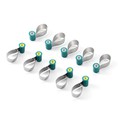
Dental matrix bands are thin, flexible strips typically made of metal, such as stainless steel or titanium, or other materials like mylar. They are commonly used in restorative dentistry to create a temporary wall for filling cavities in posterior teeth, especially in Class II restorations. The main function of matrix bands is to restore the proper shape and contour of the tooth, prevent leakage of filling materials, and ensure good contact between adjacent teeth.
Potential Use of Dental Matrix Bands in Anterior Teeth
Advantages
One of the primary advantages of using dental matrix bands in anterior teeth is the ability to achieve a more precise and natural-looking restoration. When restoring anterior teeth, aesthetics are of utmost importance. A well-placed matrix band can help in creating a smooth and proper contour of the tooth surface, mimicking the natural shape of the anterior teeth. This is particularly crucial in cases where the tooth has suffered significant damage or decay, and the restoration needs to blend seamlessly with the surrounding teeth.
For example, in cases of large incisal or proximal caries in anterior teeth, a matrix band can be used to hold the composite resin in place during the restoration process. This ensures that the resin is properly shaped and does not overflow, resulting in a more accurate and esthetically pleasing final result. Additionally, matrix bands can help in maintaining the proper interproximal contact, which is essential for normal function and preventing food impaction between the anterior teeth.
Another advantage is the improved marginal adaptation. By using a matrix band, the dentist can better control the placement of the filling material, ensuring that it fits snugly against the tooth structure. This reduces the risk of marginal leakage, which can lead to secondary caries and restoration failure over time.
Challenges
However, using dental matrix bands in anterior teeth also presents several challenges. One of the main difficulties is the limited access and visibility in the anterior region. The small size and complex anatomy of the anterior teeth, along with the presence of the lips and tongue, can make it challenging to place and manipulate the matrix band accurately. Unlike posterior teeth, where the matrix band can be more easily stabilized using a retainer, anterior teeth require a more delicate approach.
Moreover, the esthetic requirements for anterior teeth are much higher. The matrix band needs to be thin and transparent enough not to interfere with the color and appearance of the final restoration. Metal matrix bands, which are commonly used in posterior teeth, may not be suitable for anterior teeth due to their opacity and potential to affect the color of the composite resin. Mylar matrix bands, on the other hand, are more transparent but may be less rigid and more difficult to handle.
Another challenge is the risk of gingival trauma. The placement and removal of the matrix band in the anterior region can potentially cause damage to the delicate gingival tissues. Care must be taken to ensure that the matrix band does not impinge on the gingiva, as this can lead to inflammation, bleeding, and long - term gingival problems.
Considerations for Using Dental Matrix Bands in Anterior Teeth
When considering using dental matrix bands in anterior teeth, several factors need to be taken into account.
Case Selection
Not all anterior tooth restorations require the use of a matrix band. For small, simple restorations, a matrix band may not be necessary, and the dentist can rely on direct hand - sculpting of the composite resin. However, for larger cavities, especially those involving the proximal surfaces, a matrix band can significantly improve the quality of the restoration.
Type of Matrix Band
As mentioned earlier, the choice of matrix band is crucial. Mylar matrix bands are often preferred for anterior teeth due to their transparency and flexibility. They allow for better visualization during the restoration process and have less impact on the esthetics of the final result. However, they may require additional support or reinforcement to maintain their shape.
Placement Technique
Proper placement technique is essential for successful use of matrix bands in anterior teeth. The dentist needs to ensure that the matrix band is positioned accurately, covering the entire cavity area without extending beyond the tooth margins. It should also be tightly adapted to the tooth surface to prevent leakage. In some cases, the use of Dental Wedges can help in achieving a better fit and maintaining the interproximal space.
Finishing and Polishing
After the restoration is complete, careful finishing and polishing are required. This is especially important when using a matrix band, as any rough edges or irregularities can affect the esthetics and function of the restoration. Dental Polishing Brush Wheel can be used to achieve a smooth and shiny surface, similar to the natural tooth enamel.


Conclusion
In conclusion, dental matrix bands can indeed be used in anterior teeth, but their use requires careful consideration and skill. While they offer several advantages in terms of achieving a more precise and esthetically pleasing restoration, there are also challenges that need to be overcome. With proper case selection, choice of matrix band, placement technique, and finishing procedures, dental matrix bands can be a valuable tool in anterior tooth restorations.
As a dental matrix band supplier, we understand the importance of providing high - quality products that meet the specific needs of dental professionals. Our range of matrix bands, including both mylar and metal options, is designed to offer the best combination of flexibility, strength, and transparency. Whether you are dealing with simple or complex anterior tooth restorations, our products can help you achieve excellent results.
If you are interested in learning more about our dental matrix bands or other related products such as Dental Occlusal Pad, we encourage you to contact us for a detailed discussion. Our team of experts is always ready to assist you in making the right choice for your dental practice. Let's work together to provide the best possible care for your patients.
References
- Sturdevant's Art and Science of Operative Dentistry, 6th Edition.
- Dental Materials: Properties and Manipulation, 10th Edition.
- Journal of Esthetic and Restorative Dentistry, various issues related to anterior tooth restorations.