




Hey there! As a dental instrument supplier, I get asked a ton of questions, and one that pops up quite often is, "Can dental instruments be repaired?" Well, let's dive right into this topic and find out.
First off, the answer is a big yes! Most dental instruments can be repaired. But it really depends on a few things. The type of instrument, the extent of the damage, and the materials it's made of all play a role.
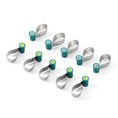
Let's talk about some common dental instruments and their repair possibilities. Take Teeth Polishing Discs for example. These are pretty simple in design. If they get a bit worn out, sometimes all they need is a good cleaning and a check for any loose parts. In most cases, if the disc isn't completely shredded, it can be salvaged. You can remove any debris stuck in the abrasive surface and give it a new lease on life.
Then there are Dental Polishing Wheels. These are a bit more complex. If the wheel gets chipped or cracked, it might seem like it's a goner. But in many cases, a skilled technician can repair it. They can fill in small chips with a compatible material and then re - shape and re - balance the wheel. This not only saves you money but also ensures that you don't have to wait for a new one to be shipped.
Grinding Heads are another important part of the dental toolkit. When they start to lose their cutting edge or get dull, they can usually be sharpened. There are specialized sharpening machines and techniques that can restore their functionality. However, if the head is severely damaged, like having a large break or a significant loss of material, it might be more cost - effective to replace it.
Now, let's consider the benefits of repairing dental instruments. One of the biggest advantages is cost - savings. Buying new dental instruments can be expensive, especially if you're running a busy dental practice. Repairing them can significantly reduce your overhead costs. You can use that saved money to invest in other areas of your practice, like new technology or staff training.
Another benefit is time. When an instrument breaks, waiting for a new one to arrive can disrupt your workflow. Repairing the instrument on - site or sending it out for a quick fix can get you back up and running in no time. This means less downtime for your practice and happier patients.
But, there are also some challenges when it comes to repairing dental instruments. Finding a qualified repair technician is crucial. Not just anyone can handle the delicate work of fixing dental instruments. You need someone with the right skills, experience, and knowledge of different instrument types. It's also important to ensure that the repair is done to the highest standards to avoid any safety issues for your patients.
The quality of the repair materials is another factor. Using sub - standard materials can lead to further problems down the line. You want to make sure that the materials used in the repair are compatible with the original instrument and can withstand the rigors of dental work.
So, how do you go about getting your dental instruments repaired? First, you can start by checking if your instrument supplier offers repair services. Many suppliers, like us, have in - house repair teams or partnerships with reliable repair facilities. This can make the process much easier for you.
If your supplier doesn't offer repair services, you can look for independent repair shops. Make sure to read reviews and ask for recommendations from other dental professionals. You want to choose a repair service that has a good reputation and can provide a warranty on their work.
Before sending an instrument for repair, it's a good idea to document the damage. Take photos and note down any details about how the instrument was being used when it broke. This information can be helpful for the repair technician to diagnose the problem accurately.
In conclusion, dental instruments can definitely be repaired in most cases. It offers many benefits in terms of cost and time, but it also comes with some challenges. As a dental instrument supplier, we're always here to help you with your repair needs. Whether it's advice on whether to repair or replace an instrument, or connecting you with a reliable repair service, we've got your back.
If you're in the market for new dental instruments or have any questions about instrument repair, don't hesitate to reach out. We're more than happy to have a chat and help you find the best solutions for your dental practice.


References
- Dental Instrument Technology Handbook
- Journal of Dental Instrumentation and Repair